Panama advances a law to digitally integrate its maritime and port logistics
Bill 637, in second debate, creates a coordination system among eleven State entities —without creating a new agency— to cut red tape and bring traceability to the logistics chain.
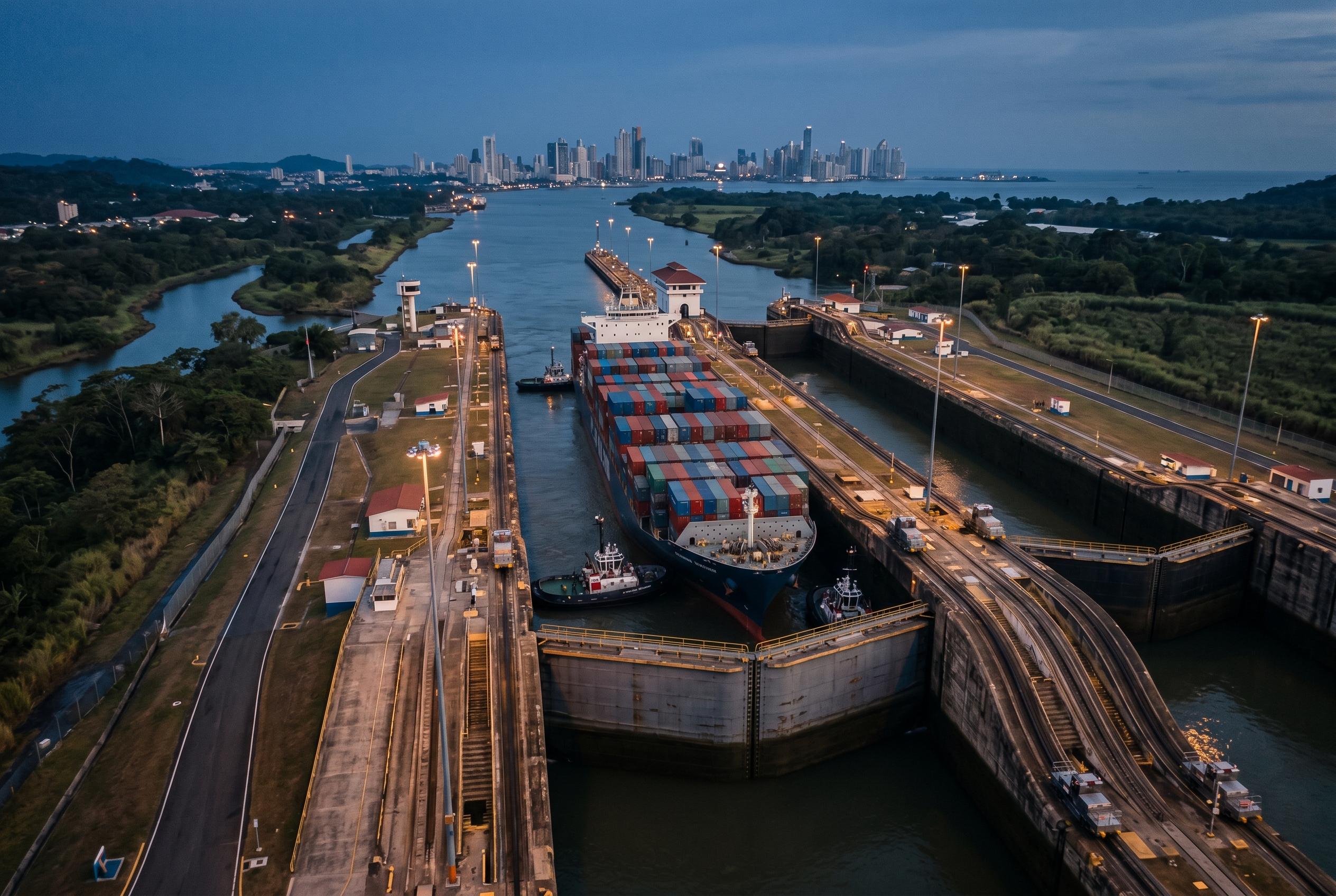
The Economy and Finance Committee of the National Assembly advanced to second debate Bill 637, which creates the National Maritime, Port and Logistics Integration System. The initiative, filed on April 29, 2026, proposes a technical and operational coordination mechanism among the State entities involved in the country's logistics chain, with the stated aim of driving digital interoperability, simplifying procedures and ensuring process traceability.
The bill stems from the Multisectoral Technical Roundtable for the study of Panama's Maritime Strategy and Economic Development, organized by the committee itself, in which —according to the explanatory statement— more than seventy national and international experts from the maritime, port, logistics, technology, academic, environmental and legal sectors took part. That roundtable's diagnosis points to three recurring limitations: institutional fragmentation, duplication of procedures, and a lack of interoperability among the different entities' systems.
Article 1 sets the law's purpose: to facilitate execution of the National Logistics Strategy and the National Maritime Strategy through interinstitutional coordination, without replacing existing powers. Coordination of the system falls to the Panama Maritime Authority (Article 5), which must bring together ten other entities: the Panama Canal Authority, the National Customs Authority, the ministries of Commerce and Industry, of Economy and Finance, of Agricultural Development and of Health, the National Authority for Government Innovation, the National Public Services Authority, the National Migration Service and the Panama Aquatic Resources Authority.
As its central digital instrument, Article 7 incorporates the Panama Maritime Single Window (VUMPA) into the system and requires the entities to pursue the progressive interoperability of their platforms with it. The text frames this integration within the 2040 Maritime and Port Plan and the connection among ports, airports, special economic zones and the road network of cargo terminals.
The bill stresses an explicit limit: the system does not constitute a new administrative entity or a political interinstitutional body, and must operate without impairing the constitutional and legal powers of the institutions that make it up. As a monitoring mechanism, Article 8 directs the Panama Maritime Authority to draw up an action plan and submit an annual progress report to the Logistics Cabinet and the National Assembly, with data on interoperability achieved, procedure simplification and traceability.
Bill 637 is pending second debate in the Economy and Finance Committee. If approved in the three regulatory debates and signed into law by the Executive, it would set the legal framework for a State platform of real-time logistics information —a component that the explanatory statement itself links to the competitiveness of Panama's hub against other ports in the region.
Sources
- Proyecto de Ley 637 — Sistema Nacional de Integración Logística, Marítima y Portuaria (Comisión de Economía y Finanzas, Asamblea Nacional)