ASEP approves ETESA's electricity transmission tariff schedule for 2025–2029 with zone-based and operating-service charges
Resolution AN 21271-Elec fixes the high-voltage transmission charges paid by distributors and large customers for four years and orders retroactive rebilling from July 2025.
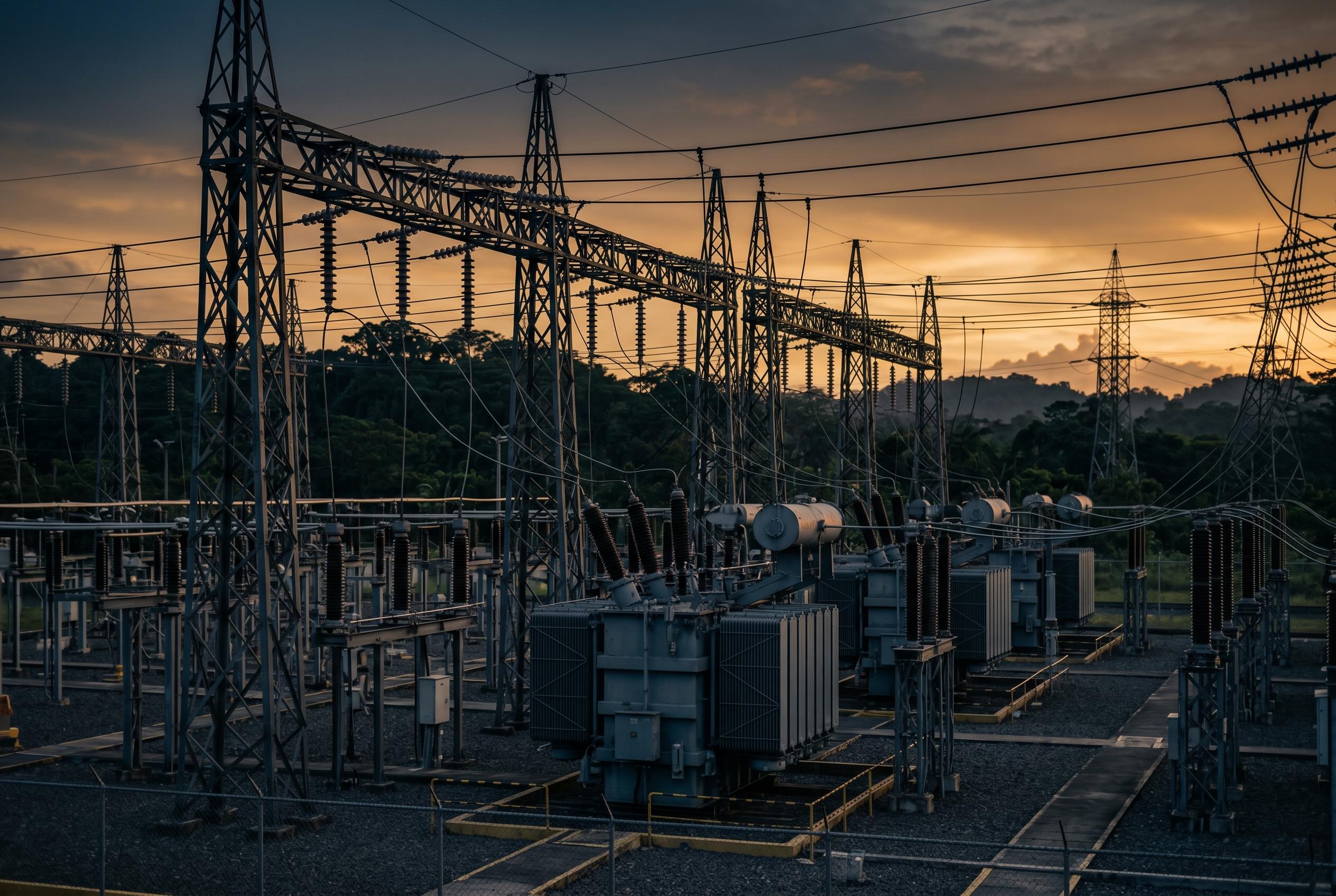
The National Public Services Authority (ASEP) issued Resolution AN No. 21271-Elec on January 19, 2026, published in Digital Official Gazette No. 30454 on January 29, 2026. The resolution approves the Tariff Schedule for the Public Electricity Transmission Service of the Empresa de Transmisión Eléctrica, S.A. (ETESA), effective July 1, 2025 through June 30, 2029. ETESA is the country's sole transmission company and operates the National Interconnected System's high-voltage grid.
The schedule establishes three categories of charges. Connection charges to the Main Transmission System are expressed in thousands of balboas per outlet or per MVA, ranging from B/.151.50 thousand per single-busbar outlet at 34.5 kV to B/.318.26 thousand per circuit-breaker outlet at 230 kV for tariff year 2026–2027. Charges for Use of the Main Transmission System (CUSPT) vary by zone and methodology: the generator charge under the Electrical Tracking method reaches B/.5.026 per MWh in Zone 10 for the first tariff year, while the Postage Stamp demand charge starts at B/.18.027 per kW-year. Charges for the Integrated Operating Service (SOI) for consumers begin at B/.0.2175 per kW per month in the first year.
The resolution instructs ETESA to begin billing at the new rates for services rendered from January 2026 onward and establishes a retroactive rebilling process for the months of July through December 2025, during which the extended 2021–2025 schedule rates remained in effect. Any resulting credit or debit adjustments must be incorporated on a staggered basis—one month per billing cycle—into the payments of market participants.
The regulatory process was extensive. ASEP first approved the benchmark companies and the Maximum Permitted Revenue (IMP) through Resolution AN No. 20847-Elec of September 24, 2025, subsequently modified by Resolutions AN No. 21011-Elec of November 6 and No. 21112-Elec of December 4, 2025, following reconsideration challenges filed by ETESA. The company submitted the final tariff schedule on December 29, 2025, meeting the deadline set by ASEP.
Transmission charges are a structural component of the final electricity tariff paid by households and businesses: the distributors—EDEMET, ENSA, and EDECHI—pass them on to their regulated customers. The four-year period 2025–2029 coincides with planned expansion of renewable generation capacity and ongoing legislative debates over solar self-generation and energy communities, lending added significance to the zone-by-zone transmission loss factors that the resolution requires to be updated annually.
Sources
- Gaceta Oficial 30454 — Resolución AN No. 21271-Elec de ASEP: pliego tarifario de transmisión ETESA 2025-2029