Law 6 of 1997: 28 years of reforms to Panama's electricity regulatory framework
It created ASEP, split the IRHE into private companies, and accumulated eleven legislative amendments and one unconstitutionality ruling that have shaped its scope to this day.
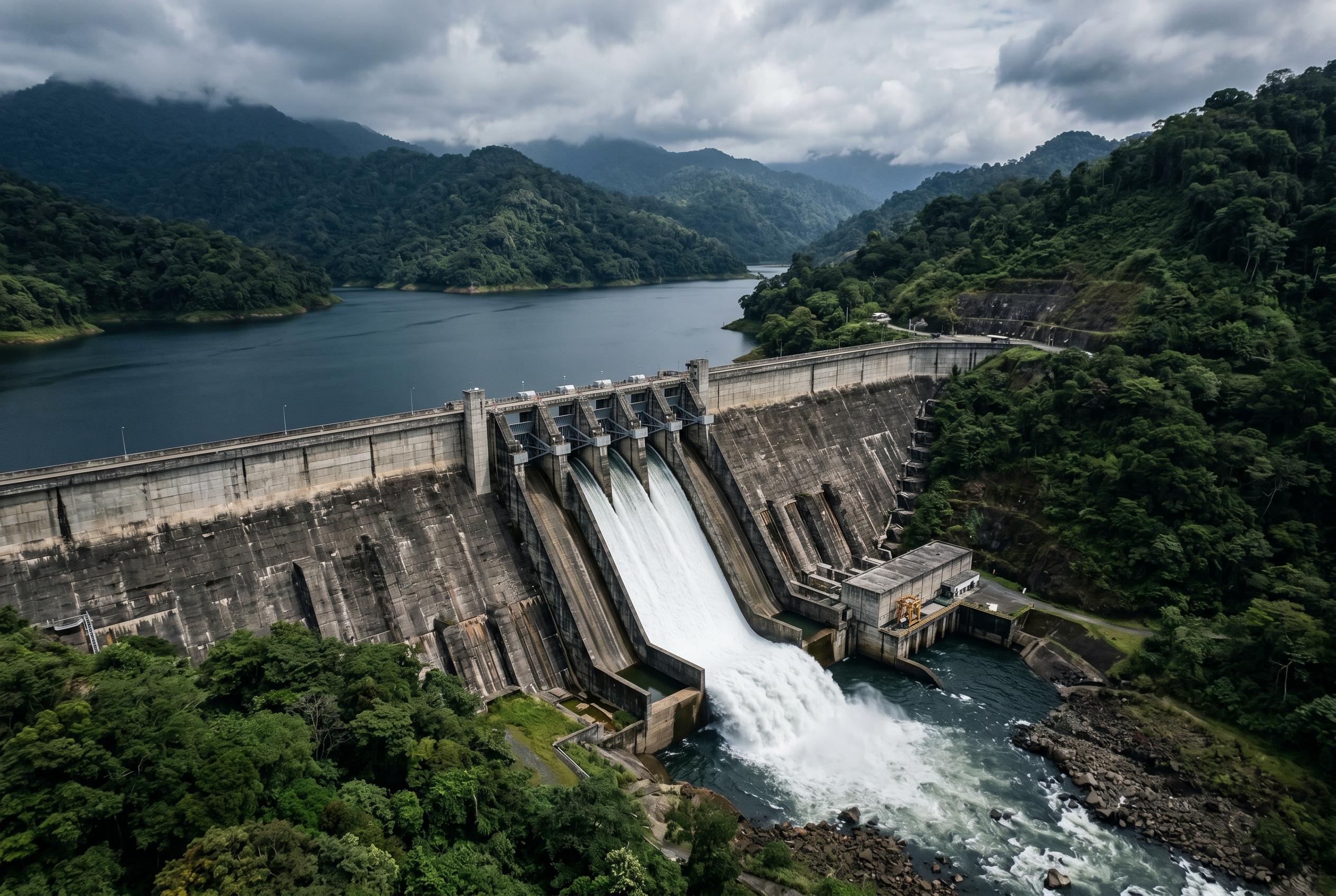
On February 3, 1997, the Legislative Assembly approved Law 6, the cornerstone of Panama's electricity sector restructuring. The statute dismantled the monopoly of the Instituto de Recursos Hidráulicos y Electrificación (IRHE) by separating the activities of generation, transmission, distribution, and commercialization, and opened them to competition and private investment. To oversee them it created the Ente Regulador de los Servicios Públicos (ERSP), today the National Public Services Authority (ASEP), and established an Energy Policy Commission. The law also repealed Executive Decree-Law 31 of 1958, Cabinet Decree 235 of 1969, and other organic rules of the IRHE that had governed the sector for nearly four decades.
The early years of the law were marked by intensive rulemaking. As early as 1997, Executive Decree 50 organized the Commission for the sale of shares in the electricity companies that would emerge from the IRHE's privatization. In 1998 three key executive decrees followed: Decree 22 issued general implementing regulations for the law; Decree 29 created the Rural Electrification Office and regulated Article 95; and Decree 42 developed Article 170 on labor relations. Just one year after enactment, the executive branch itself introduced substantive changes through Executive Decree-Law 10 of 1998, which amended several articles governing tariffs and concessions.
The first major legislative reform came in 2004 with Law 45, which added incentives for hydroelectric generation and other renewable sources by amending articles on generation licenses. Five years later, Law 57 of 2009 again amended provisions of the regulatory framework. In 2010, two sector-related laws touched Law 6: Law 30 added articles regarding projects of national interest, and Law 65—an environmental reform law—adjusted articles tied to hydroelectric concessions. Also that year, Law 51, which created the Urban Waste Authority, introduced further amendments and additions to the text.
The period 2011–2013 was the most active for direct reforms. Law 58 of May 2011 amended and added articles to promote equitable electricity supply in rural areas; Law 68 of September 2011 established measures that distributors must take on behalf of consumers. In August 2012, Law 43 substantially reformed the text and added several articles, particularly regarding service management and ASEP's powers. In 2013, Law 18 added provisions on wind power plants for public service, extending the renewable-energy logic that Law 45 had initiated.
On May 4, 2015, the Supreme Court of Justice issued a landmark ruling: it declared Articles 125 and 130 of Law 6 unconstitutional. Those articles had allowed the forced acquisition of assets and the forced disposal of private real estate at the request of the regulatory authority. The Third Chamber held that those powers exceeded the constitutional framework for expropriation. Law 2 of February 2018 added another amendment, addressing liability for deficiencies in public service delivery—a theme it shares with Law 26 of 1996. In December 2020, Law 194 added articles requiring distributors to open customer service offices, a measure that prompted Executive Decree 6 of November 2024, which extended by four years the deadline under Article 89 of the consolidated text for contributions to the Rural Electrification Fund.
The current text is the Consolidated Text ordered by Law 194 of 2020 and published in July 2021, which brings together all of those reform layers. Law 463 of March 2025 added the most recent known amendment, addressing labor benefits for public servants holding positions in state-owned companies in the sector. The ongoing legislative debate on distributed generation and self-consumption—advancing in the National Assembly through bills such as Bill 455—will rest squarely on this reformed framework, particularly the articles on generation licenses and ASEP's powers that Law 43 of 2012 redefined.
Sources
- Ley 6 de 1997 — Marco Regulatorio e Institucional para la Prestación del Servicio Público de Electricidad
- Decreto Ley 10 de 1998 — Modifica artículos de la Ley 6 de 1997
- Ley 45 de 2004 — Incentivos para generación hidroeléctrica y fuentes renovables
- Ley 57 de 2009 — Modifica artículos de la Ley 6 de 1997
- Ley 58 de 2011 — Modifica y adiciona artículos a la Ley 6 de 1997 (electrificación rural)
- Ley 68 de 2011 — Medidas de distribuidoras a favor del consumidor (reforma Ley 6 de 1997)
- Ley 43 de 2012 — Reforma la Ley 6 de 1997 (marco regulatorio)
- Fallo de la Corte Suprema de Justicia de 4 de mayo de 2015 — Inconstitucionalidad artículos 125 y 130, Ley 6 de 1997
- Ley 2 de 2018 — Reforma Ley 26 de 1996 y Ley 6 de 1997 (daños por deficiencia en servicios públicos)
- Ley 194 de 2020 — Adiciona artículos a la Ley 6 de 1997 (oficinas de atención al cliente)
- Texto Único de la Ley 6 de 1997, ordenado por la Ley 194 de 2020 (publicado 2021)
- Ley 463 de 2025 — Adiciona artículos a leyes orgánicas de empresas estatales (prestaciones laborales)