Law 32 of 2011: the unified free-trade zone regime and its successive reforms
It repealed Law 25 of 1992 and consolidated the export-processing framework; since then the executive branch has issued three sets of regulations and legislators have amended it through airport, property-tax, and tax-administration laws.
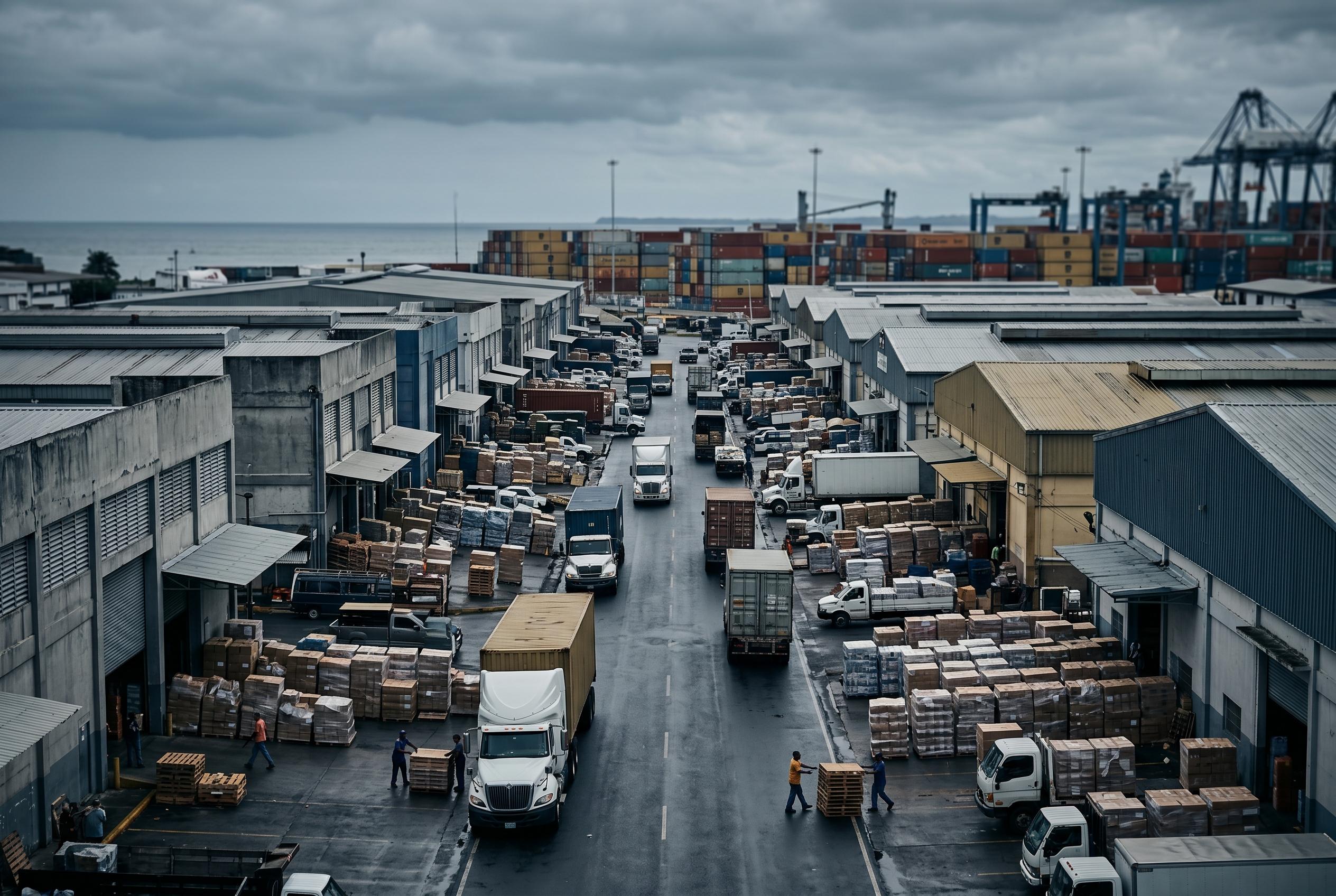
On April 5, 2011, the National Assembly approved Law 32, establishing a special, comprehensive, and simplified regime for the establishment and operation of free-trade zones in Panama. The statute replaced the framework that had been in place since 1992: it repealed Law 25 of November 30, 1992, which had regulated export-processing zones, and also repealed Executive Decree 28 of 1993—its implementing regulation—Executive Decree-Law 3 of 1997, which had added an article to that law, and Law 8 of 1981, which had itself repealed the prior free-trade zone law of 1976. In doing so, Law 32 swept away four layers of rules that had accumulated around the concept since the 1980s.
The Ministry of Commerce and Industries (MICI) moved quickly to regulate the new law. The first executive decree, Decree 175 of July 2011, developed Article 70 on zone operations. In February 2012, Executive Decree 26 specifically regulated the commercial movement of companies subject to the free-trade zone regime. The third general set of regulations arrived in April 2017 with Executive Decree 62, which superseded the previous two and remains the principal regulatory text in force today.
The first direct legislative reform came from outside the trade sphere: Law 125 of December 31, 2013 amended and added articles to Law 32 in the context of airport and aerodrome administration. At the same time, that law repealed articles of Executive Decree-Law 1 of 2008, further aligning the network of rules governing the logistics and special-zone sector. In 2017 a reform of a different nature arrived: Law 66 of October 17, 2017, which amended the Fiscal Code on property tax, also added to and amended articles of Law 32, adjusting the tax treatment of real estate located within free-trade zones.
Another reform front was the broader tax arena. Law 337 of November 2022, which created extraordinary payment agreements on tax collection matters and amended the Tax Procedure Code, also introduced changes to Law 32. Earlier, in 2018, Law 52 repealed the provisions of Law 32 relating to call centers, which subsequently became governed by their own dedicated law. These layers show that although Law 32 was conceived as a comprehensive body, it was adjusted sector by sector according to the priorities of successive legislatures.
A notable feature of the original design is that numerals 1 through 5 of Article 32 of the law—those with the greatest fiscal impact—did not take effect until January 1, 2016, five years after enactment. That deferral was a concession to operators who needed time to adapt their structures. The 2017 general regulations (Decree 62) were issued precisely when those provisions had already entered full force, making the resulting regulation more robust and complete.
Current debate centers on special regimes that would coexist alongside Law 32. Bill 217, which proposes a multimodal zone in Almirante (Bocas del Toro) with a port and logistics focus, and Bill 304 reforming the Agency for the Establishment of Businesses (ÁEEPP) at Panamá-Pacífico, put forward specific benefit structures and institutional arrangements that, if enacted, would operate in parallel with the general regime of Law 32. The tension between the uniformity of a single regime and tailor-made incentives for specific projects is the central axis of current legislative debate on the subject.
Sources
- Ley 32 de 2011 — Régimen especial, integral y simplificado para zonas francas
- Ley 25 de 1992 — Régimen especial para zonas procesadoras para la exportación (derogada por Ley 32 de 2011)
- Decreto Ejecutivo 28 de 1993 — Reglamento de la Ley 25 de 1992 (derogado por Ley 32 de 2011)
- Decreto Ejecutivo 175 de 2011 — Reglamenta el artículo 70 de la Ley 32 de 2011
- Decreto Ejecutivo 26 de 2012 — Reglamenta el movimiento comercial de empresas en zonas francas
- Ley 125 de 2013 — Reforma Ley 23 de 2003 y Ley 32 de 2011 (administración de aeropuertos)
- Decreto Ejecutivo 62 de 2017 — Reglamenta la Ley 32 de 2011 (reglamentación general vigente)
- Ley 66 de 2017 — Modifica Código Fiscal (impuesto de inmueble) y la Ley 32 de 2011
- Ley 52 de 2018 — Regula centros de llamadas (call centers); deroga disposición de Ley 32
- Ley 337 de 2022 — Acuerdos de pago extraordinarios; modifica Ley 32 de 2011